
Beginner Guide to Upcycling Old Wooden Furniture
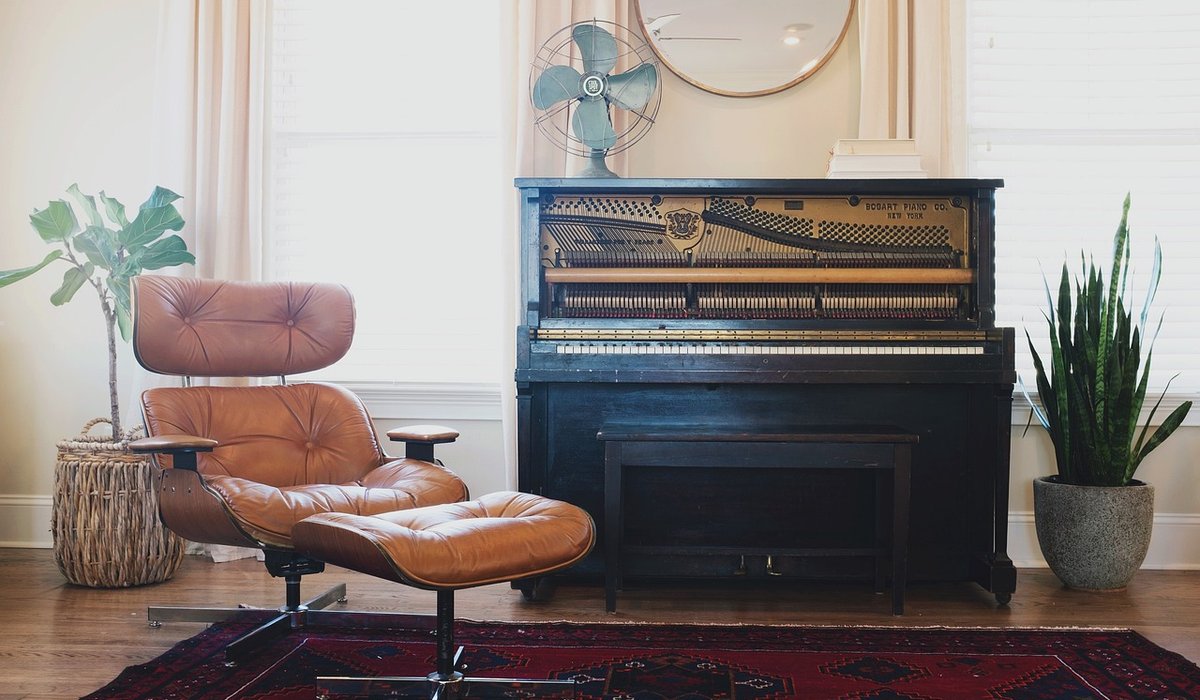
There is something quietly restorative about walking into a room that feels like a breath of sea air. Coastal cottage style is not about nautical novelties or a house that looks like a gift shop. Done well, it is a gentle, lived-in look built on pale timber, soft blues, natural fibres and the kind of furniture that improves with age. The good news is that you do not need to live within sight of the sea to borrow it. These ideas work just as well in a terraced house in Leeds or a flat in Bristol.
Start With a Calm, Chalky Base
Coastal interiors live or die by their backdrop. Before you buy a single cushion, look at your walls. The most forgiving choice is a soft, chalky white with a hint of grey or green in it, rather than a stark brilliant white that can feel clinical. Warm off-whites, pale sand and washed linen tones are all excellent. If you want more character, take the colour up onto the woodwork and skirting boards so the room reads as one soft block of colour.
Avoid a different shade on every wall. In small cottages, keeping the walls, ceiling and trim within one or two tones makes low ceilings feel taller and cramped corners feel open. Finish with a matt emulsion rather than a sheen; it absorbs light in a gentler way and hides the imperfections that older properties always have.
Weathered Wood and Painted Furniture
The backbone of a coastal cottage is timber that looks like it has spent time outdoors. You are not aiming for shiny new oak. Think limed pine, driftwood-grey sideboards, scrubbed kitchen tables and simple ladder-back chairs. Limewash or a diluted whitewash paint lets the grain show through and gives that sun-bleached, salt-air quality without a heavy distressed finish.
- Look for second-hand pine dressers and blanket boxes in charity shops, auction houses and online marketplaces, then strip back glossy varnish with a gentle sanding.
- Paint mismatched chairs in the same soft blue-grey so a mixed set looks deliberate.
- Leave one or two pieces bare and waxed for warmth; an all-painted room can feel flat.
- Swap shiny brass and chrome handles for simple wooden knobs or aged iron cupboards latches.
If a piece is beyond saving, do not hide it under paint. A battered old table with ink stains and a wobbly leg has more charm than anything flat-packed, and it will anchor the room.
Build a Palette From the Shoreline
Blue is the obvious choice, but the wrong blue will make a room feel cold and municipal. Choose shades you would actually find on a British beach in February: faded denim, duck-egg, grey-blue, muted teal and the soft green of sea glass. Use them in small, repeated doses rather than one dramatic statement wall.
Balance every blue with warmth. Pair it with oatmeal, sandy beige, driftwood brown and the creamy white of weathered shells. A room that is ninety per cent neutral with ten per cent blue will feel calm and generous. A room that is fifty per cent blue will feel chilly, no matter how many candles you light.
Introduce a single accent of deeper colour, such as a navy throw or a faded red stripe on a runner, to stop the scheme drifting into blandness. Repetition matters more than quantity: the same blue appearing on a cushion, a jug and a picture frame ties everything together.
Layer Natural Textures Everywhere
Texture is what separates a styled coastal room from a themed one. Because the palette is quiet, the surfaces have to do the talking. Mix rough with smooth, heavy with light, and never let two hard surfaces sit directly against each other without something soft in between.
- Flooring: jute or sisal rugs over painted floorboards, with a wool runner in the hallway.
- Soft furnishings: washed linen or cotton slipcovers, chunky knitted throws and cushions in different weaves.
- Baskets: seagrass and wicker storage for logs, blankets and shoes, which also hides clutter beautifully.
- Ceramics and glass: matte stoneware mugs, a collection of sea-glass coloured bottles on a windowsill.
- Wood and rope: a simple driftwood hook rail, a rope-wrapped mirror frame or a wooden peg rail by the door.
Keep a basket of throws by the sofa and swap heavy curtains for linen or a simple Roman blind so daylight is not blocked. Nothing kills a coastal scheme faster than dark, bulky textiles.
Light, Display and the Finishing Details
Coastal rooms should feel bright even on a grey Tuesday. Keep windows clear of clutter, use mirrors opposite the main light source and choose lampshades in linen or rattan that cast a soft, diffused glow. A mix of small lamps around the room creates pools of light that feel far cosier than one overhead fixture.
When it comes to display, restraint is your friend. Group collections in odd numbers on a tray or shelf. A row of white jugs, a few pebbles in a shallow dish, a single framed print of a harbour or a windswept field will say more than a shelf crammed with shells and model boats. Add a few practical touches: a chunky candle in a stoneware holder, a knitted blanket folded over a chair arm, a sprig of eucalyptus in a simple vase.
Finally, let the house breathe. Coastal cottage style is not about perfection. It is about pale walls, honest materials and a bit of everyday mess that makes a home feel lived in. Start with one room, choose your neutrals first, add blue last, and you will end up with a space that feels calm, warm and quietly by the sea, wherever you happen to be.
LEAVE A COMMENT