
Simple Ways to Style a Coastal Cottage Interior
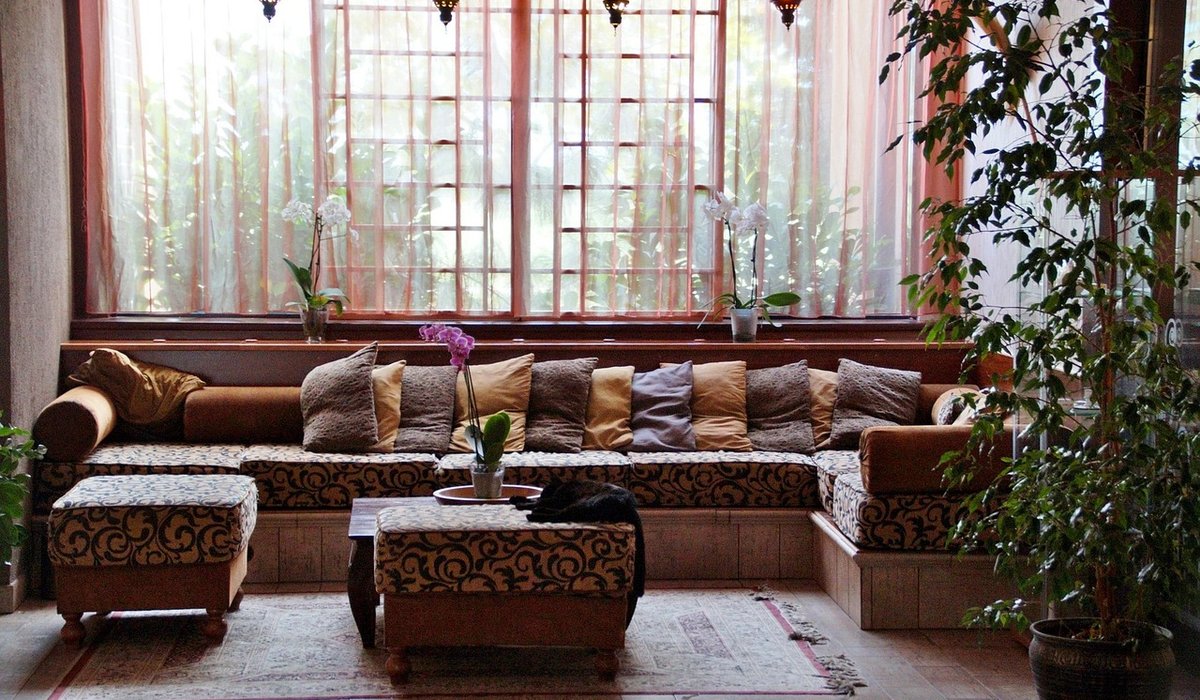
A busy household does not have to mean a bare, lifeless home. With the right choices, you can enjoy greenery that softens a room, adds a coastal calm, and asks almost nothing in return. The trick is to choose plants that forgive a missed watering and cope with the light your rooms actually offer, rather than the light you wish they had.
Why Resilient Plants Suit Busy Homes
Most houseplants fail not because they are neglected, but because they are overwatered. In a busy home, the risk is often the opposite: a plant sits dry for a fortnight and then gets a drenching. The plants that cope best are those that evolved in dry or shaded habitats, storing water in thick leaves, stems, or roots.
These varieties also suit a coastal-inspired interior. Think of the textures found by the sea: stiff, upright leaves, trailing stems, and soft, muted greens. They work beautifully with natural materials and neutral walls, and they do not demand a conservatory or daily attention.
Varieties That Tolerate Irregular Watering
These are the workhorses of a low-maintenance home. Each one will forgive a few missed waterings and still look good.
- ZZ plant (Zamioculcas zamiifolia): glossy, waxy leaves on upright stems. It stores water in underground rhizomes, so it can go a month or more without a drink. Happy in moderate to low light.
- Snake plant (Sansevieria): stiff, architectural leaves that suit a coastal, minimalist look. It tolerates drought and lower light, and it prefers to be left alone.
- Spider plant (Chlorophytum comosum): forgiving and cheerful, producing little plantlets on trailing stems. It likes bright, indirect light but will cope with less.
- Pothos or devil's ivy (Epipremnum aureum): a trailing plant that looks lovely on a shelf or in a hanging pot. It will droop to tell you it is thirsty, then recover quickly.
- Ponytail palm (Beaucarnea recurvata): a sculptural plant with a swollen trunk that stores water. It is slow-growing and happiest in a bright spot.
Best Choices for Lower Light Corners
Not every room gets a sunny windowsill. These plants cope well with shade and still bring life to a dim corner.
- Cast iron plant (Aspidistra elatior): as the name suggests, it is almost indestructible. It handles low light and irregular watering with quiet grace.
- Peace lily (Spathiphyllum): it droops dramatically when thirsty, which makes it a useful reminder. Water it and it perks up within hours.
- Philodendron: many varieties tolerate shade and grow steadily without fuss. The heartleaf philodendron is a reliable trailing choice.
- Parlour palm (Chamaedorea elegans): adds a soft, coastal texture and copes with lower light, though it appreciates a little humidity.
Simple Routines That Keep Plants Thriving
You do not need a strict schedule. A few easy habits will keep your plants healthy without adding to your to-do list.
- Check before you water. Push a finger two to three centimetres into the compost. If it feels damp, wait. If it is dry, water.
- Water thoroughly, then empty the saucer. Give the pot a good soak until water runs through the drainage holes, then tip away any excess. Standing water rots roots.
- Rotate every few weeks. Turn each plant a quarter turn so it grows evenly towards the light.
- Dust the leaves monthly. A soft, damp cloth keeps leaves clear so they can breathe and photosynthesise.
- Feed sparingly. A weak liquid feed once a month in spring and summer is plenty for most of these plants.
- Set a weekly reminder. A quick five-minute check on the same day each week is enough to catch problems early.
Styling for a Cosy, Coastal Feel
Once the plants are settled, the fun part is making them feel at home. Coastal-inspired interiors lean on natural textures and a calm, unfussy palette.
- Choose natural pots. Rattan baskets, woven seagrass, and ceramic pots in sand, stone, or seafoam tones sit well in a coastal scheme.
- Group in odd numbers. Three plants of different heights look more natural than two or four.
- Mix upright and trailing. Pair a snake plant with a trailing pothos for contrast.
- Use height. A plant stand or a stack of books lifts a small plant and adds interest.
- Keep a small watering can nearby. A pretty can on a shelf makes watering easy and looks charming.
With a handful of tough plants and a simple weekly check, your home can feel greener, calmer, and quietly coastal, even during the busiest weeks. Start with two or three varieties, see how they settle, and add more as your confidence grows.
LEAVE A COMMENT